Informing the Deployment of Carbon Capture, Utilization, and Storage
Published: February 26, 2026
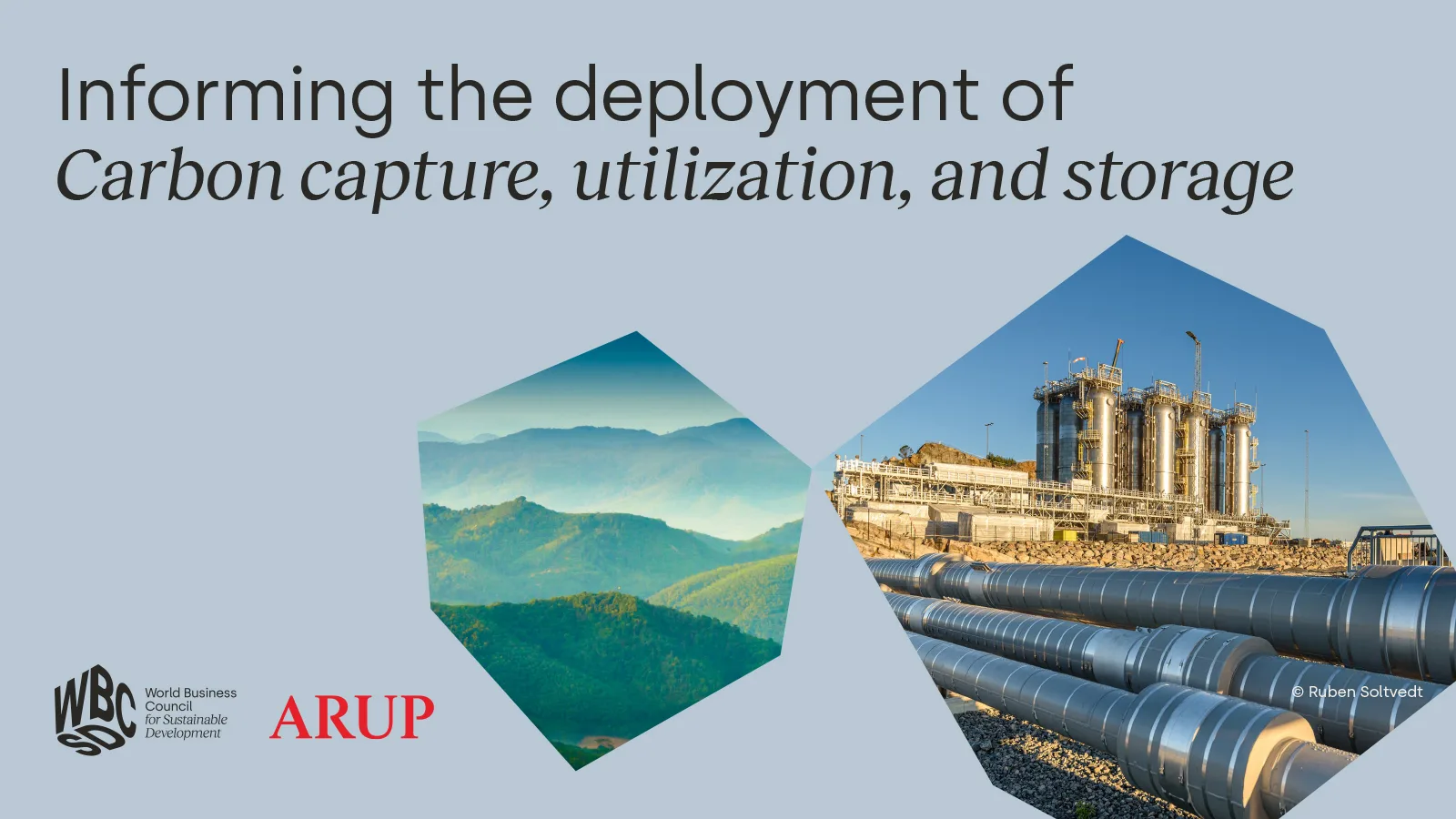
As we work together, globally, to address the impacts of climate change, we will need a range of solutions to tackle a complex and interconnected challenge. Carbon capture, utilization, and storage (CCUS) offers a viable and practical way to prevent greenhouse gas from entering the atmosphere by capturing carbon dioxide emissions from industrial processes and storing them safely and permanently.
This process can play a valuable role in achieving sustainable development goals and safeguarding our planet’s future and is recognized in the United Nations Framework Convention on Climate Change as a critical technology for a low carbon future. CCUS complements decarbonization through electrification and renewable deployment by offering solutions for industrial applications where these alternatives are not fit for purpose or cost competitive. Yet it remains clouded by myths and misconceptions that risk undermining decision-making and investment.
The report “Informing the Deployment of Carbon Capture, Utilization, and Storage”, developed by the World Business Council for Sustainable Development (WBCSD) and Arup, offers evidence from current deployments, regulatory frameworks and technological advances, which demonstrate the viability and value of CCUS as a materially significant contributor to the decarbonization of hard to abate sectors.
Key highlights include:
- Clear, science-backed responses to misconceptions about safety, cost, and effectiveness of CCUS.
- A review of CCUS policy mechanisms and the affordability of CCUS today together with key cost reduction variables to improve competitiveness.
- Practical focus areas to enable commercially self-sustaining projects in the next decade.
This resource is for industry leaders, investors, policymakers, and NGOs seeking clarity on CCUS’s role in achieving net zero.