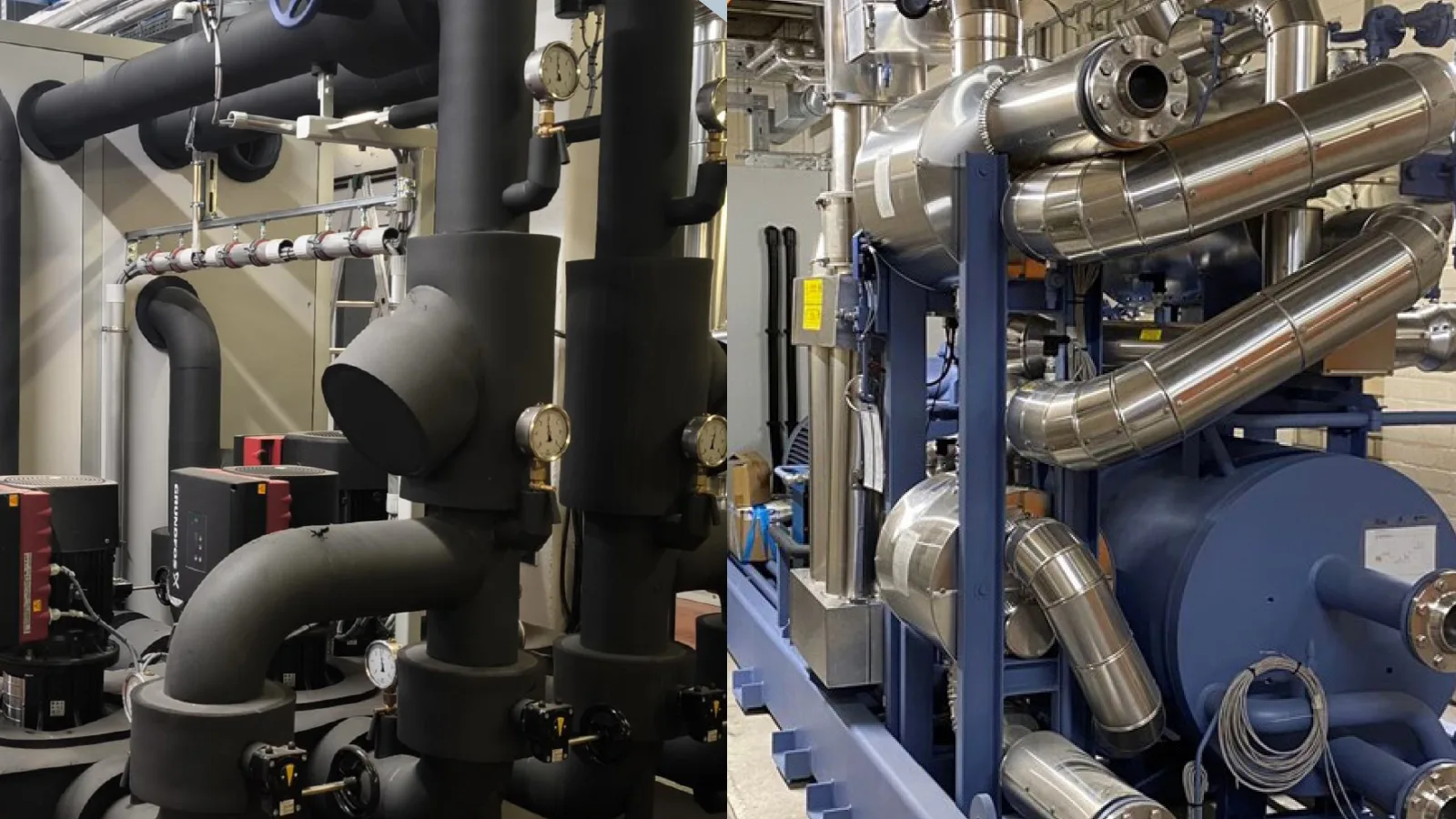
Approximately one-third of all energy consumed globally is used as heat in industry.

Half of it is high-temperature heat – primarily within so-called hard-to-abate sectors such as steel and cement. The other half is consumed within light industry (at temperatures below 400°C) – including food & beverages, pharmaceuticals, pulp & paper and apparel. WBCSD brought together the entire energy value chain to elevate the importance of heat decarbonization and accelerate adoption of various renewable heat solutions across these light industrial sectors.

The
challenge

While there are various technical solutions to decarbonize and electrify heat, investments are hampered by big capital expenditure needs with often sub-optimal returns.

In most markets, natural gas and coal remain cheaper than electricity, especially in the absence of a cost on carbon and various taxes on electricity. Furthermore, policy frameworks incentivizing renewable heat are much less common than those supporting renewable power.

The
business case

Commercially attractive opportunities for renewable heat are starting to emerge as both countries and businesses are expanding their focus beyond electricity.

Upcoming net-zero milestones for governments and companies alike mean this attention will continue to grow, and the value chain for renewable heat will innovate its technical, commercial and financing solutions. Meanwhile, the risks and price volatility associated with natural gas are likely to drive interest in renewable heat and a shift away from fossil fuels.

The
solution

WBCSD brought together members from across the value chain to elevate the importance of industrial process heat decarbonization and accelerate adoption of various renewable heat solutions across the light industrial sectors.

The work prioritized the following thematic areas:
• Increasing the uptake of fully financed solutions and empowering companies to co-develop Heat-as-a-Service solutions
• Developing technology solutions briefs on electrification, solar thermal and thermal storage solutions, focusing on suitability of technology solutions for various operational requirements and key success factors for implemented projects across the globe.

Renewable Industrial Heat
Navigator Briefs

WBCSD’s navigator briefs offer a comprehensive overview of commercially available renewable heat technologies for industry. Each brief provides key insights into the operational, location, and commercial factors to support investment decision-making. Uniquely, they share real-world lessons from companies adopting these solutions, highlighting key business considerations, success factors, and challenges overcome.

Publication

Renewable industrial heat navigator brief: Electrification solutions

Publication

Renewable industrial heat navigator brief: Thermal energy storage 

Publication

Renewable industrial heat navigator brief – Solar thermal solutions

News
& insights

Industrial heat: an overlooked piece in the decarbonization puzzle

WBCSD insights

Industrial heat: an overlooked piece in the decarbonization puzzle

Explore Insights from early renewable heat projects

WBCSD insights

Heat-as-a-Service in action: Insights from early renewable heat projects 

WBCSD insights

Renewable electricity procurement: blazing a trail from innovation to leadership

Let's transform
together