In an interview with the Soft Commodities Forum (SCF), Gabrielle Rosa, Manager of Parque Vida Cerrado, explains how wildlife monitoring is helping measure the ecological outcomes of the Farmer First Clusters in western Bahia.
In an agricultural landscape, seeing native vegetation does not necessarily mean that ecological processes are functioning. A satellite image can show where Cerrado remnants are located, but it cannot, on its own, show whether these environments are still being used by wildlife and whether they can support the species that depend on them.
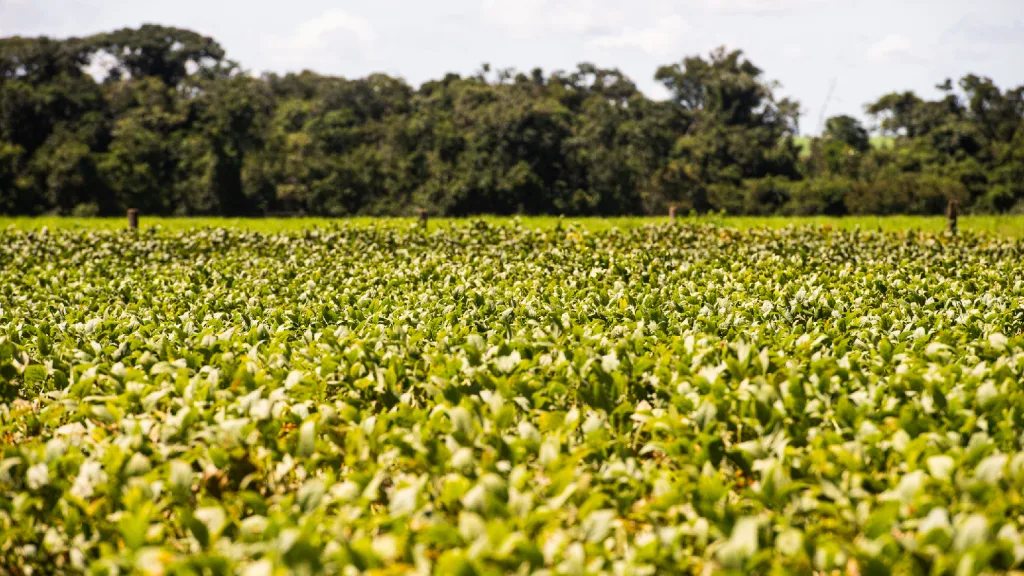
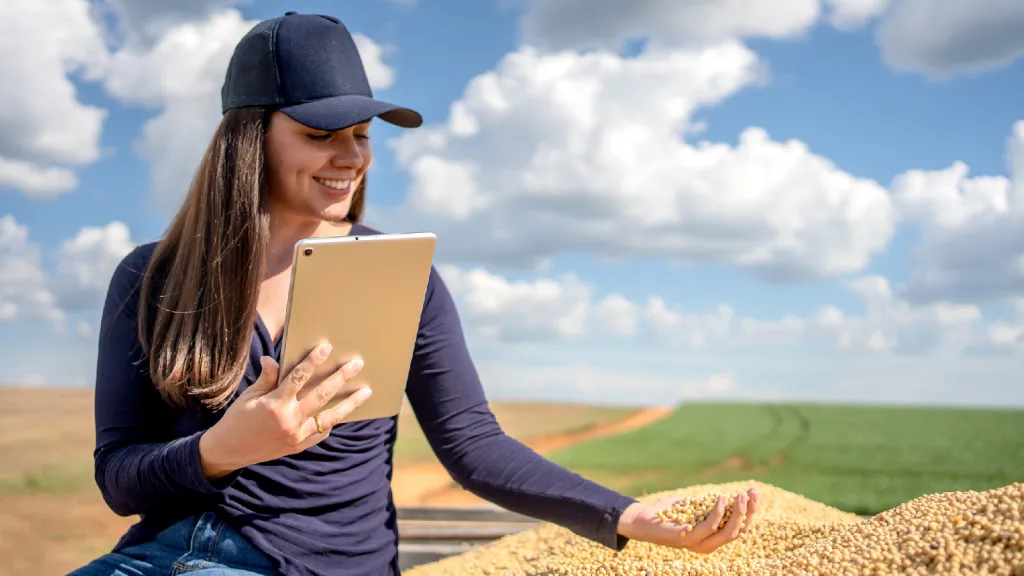
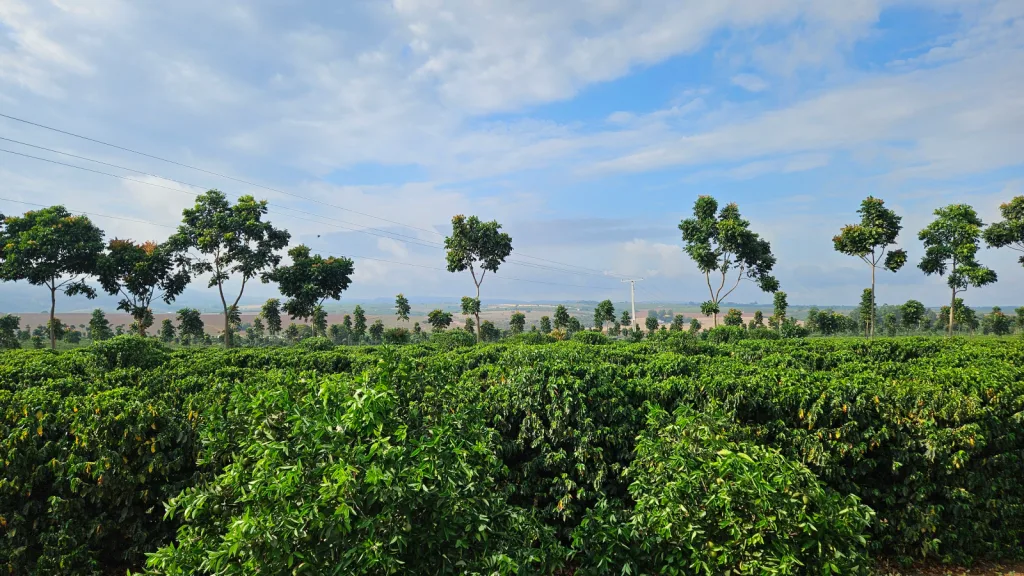
In western Bahia, where soy production occupies a significant share of the landscape, Parque Vida Cerrado has been monitoring wildlife on farms participating in the Farmer First Clusters (FFC), an initiative of the Soft Commodities Forum that supports farmers and promotes solutions for more sustainable agricultural landscapes. The work provides a complementary perspective to traditional land-use indicators: observing the wildlife that continues to use these environments.
In an interview with the SCF, Gabrielle Rosa, Manager of Parque Vida Cerrado, is straightforward in highlighting the “growing demand from international markets for deforestation-free supply chains that can demonstrate tangible conservation outcomes”, and notes that protecting biodiversity “is no longer just an environmental issue, but has become part of agriculture’s long-term strategy.”
“Production and conservation are not opposites; they depend on each other,” she explains. In the Cerrado, this relationship is particularly important because the biome provides ecosystem services that are fundamental to agriculture, including protecting springs, supporting water infiltration into the soil, regulating the climate, and sustaining processes such as pollination, seed dispersal and natural regeneration.
This is precisely where biodiversity monitoring becomes important, because wildlife can help reveal whether this natural infrastructure is still functioning.
More Than Counting Species
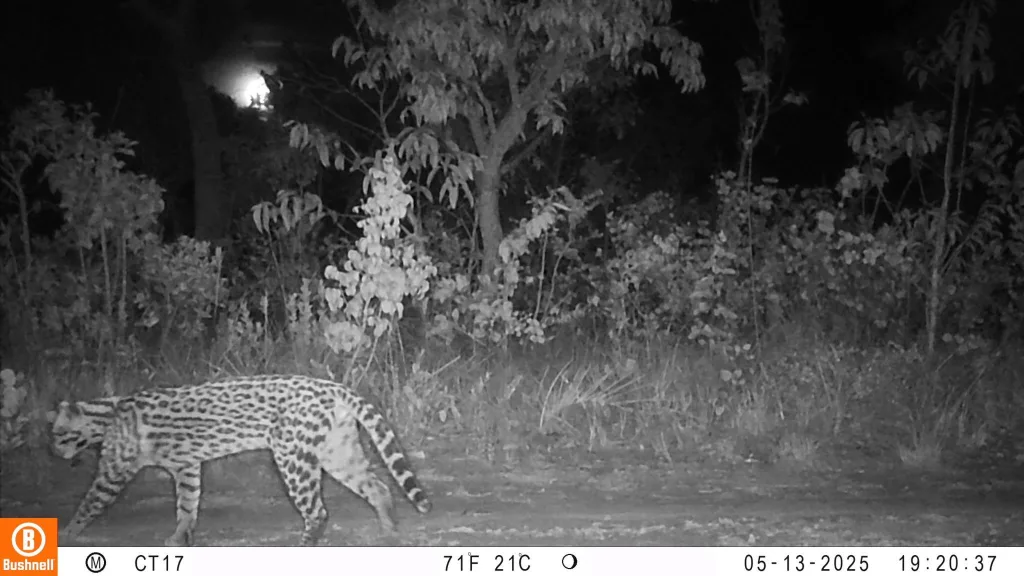
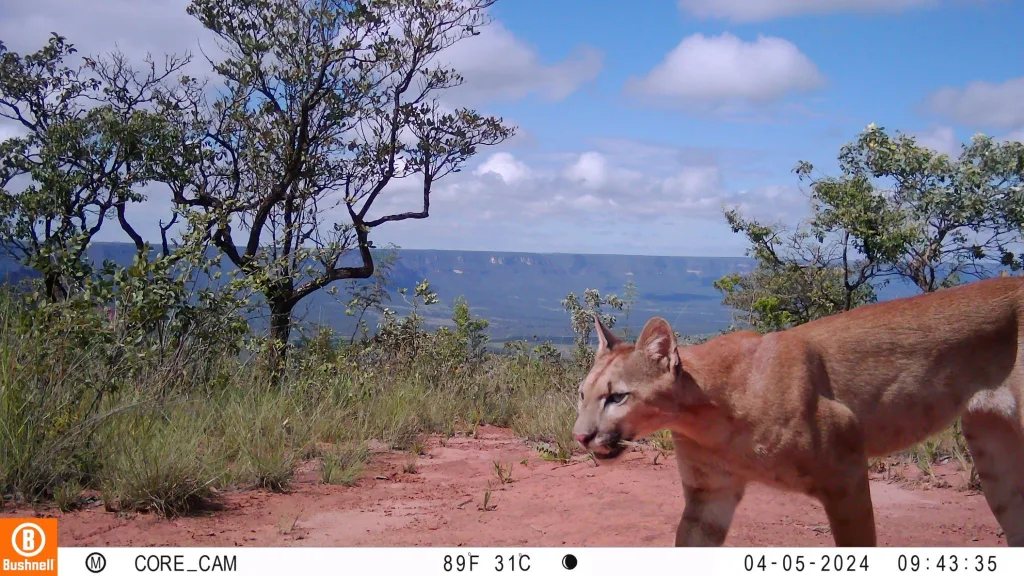
The monitoring conducted by Parque Vida Cerrado relies primarily on camera traps distributed across different Cerrado remnants on participating farms. In some cases, maned wolves are fitted with radio collars, allowing the team to track their movements and understand how they use the agricultural landscape.
The objective, however, is not simply to produce a species inventory. The team seeks to understand which animals use each environment, how this composition changes over time, which areas function as ecological corridors, which remnants are particularly important for threatened species, and how wildlife responds to changes in the landscape.
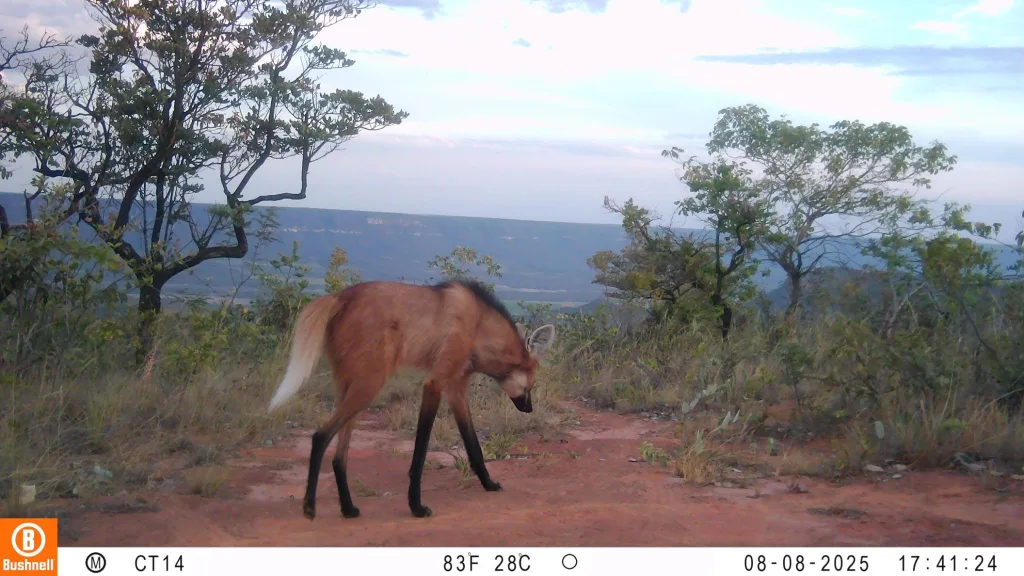
One example highlighted by Parque Vida Cerrado is the maned wolf, which the team describes as an “ecological detective.” Since it depends on large, connected and relatively well-preserved areas, its presence can provide important clues about the condition of the landscape.
When manned wolves, tapirs, jaguars and other species continue to use an agricultural region, this indicates that vegetation remnants still provide food, shelter and the conditions needed to support biodiversity. In this sense, wildlife serves as evidence that habitats do not simply exist on a map, but continue to perform ecological functions.
To illustrate this dimension, monitoring results show that 32 native mammal species have been recorded, including 12 species threatened with extinction in Bahia. Particularly relevant is the finding that only around 16% of the species were shared across all monitored sites, meaning that different remnants provide different conditions for wildlife. Rather than focusing only on large, continuous areas, the data reinforce the importance of a network of connected remnants, as each fragment can play a specific role in regional conservation.
Landscapes Are Also Made of Relationships
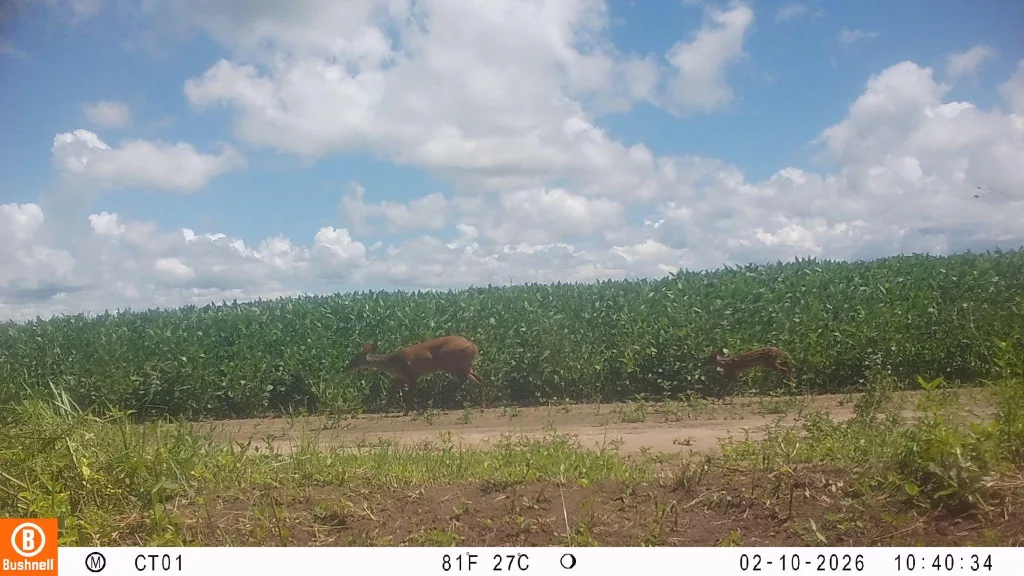
Initiatives have long reported hectares preserved or restored, seedlings planted, and participants involved. These figures show the scale of the effort, and they still matter, but they measure activity, not impact. Wildlife shows what that effort is actually achieving: are species returning, moving through, and thriving in the landscape?
This matters because conserved areas are not interchangeable. Each remnant has its own species composition and contributes differently to biodiversity and to connectivity across the landscape. A total in hectares treats them as equal; wildlife does not.
Species presence also tells a story over time. The continued presence of a sensitive species suggests a remnant is still connected and functioning, while shifts in species composition can reveal changes that area or planting figures would miss entirely.
For the FFC, biodiversity monitoring turns this into a practical tool: it makes it possible to test whether changes in landscape management and conservation are maintaining or restoring ecological function, and to adjust where they are not.
Conservation Starts with People
In her conversation with the SCF, Gabrielle highlighted an aspect that is very tangible in Parque Vida Cerrado’s work: “conservation starts with people.” Monitoring and restoration may be technical activities, but their continuity depends on the engagement of farmers and the people who work on these properties.
Through the work with FFC farms, this engagement has also involved a shift in perception. In some cases, areas of Legal Reserve and Permanent Preservation Areas (APPs), previously seen primarily as spaces with no productive use or simply as a legal obligation, have come to be recognized as part of the farm’s natural assets, with important functions for water, biodiversity and environmental quality.
This shift is also reflected in day-to-day interactions with wildlife. Parque Vida Cerrado has recorded an increase in calls from farms requesting the rescue of wild animals. In a recent case, a maned wolf pup was found in a crop field with a severe leg fracture. The farm team contacted Parque Vida Cerrado, which carried out the rescue. The animal is currently receiving treatment and continues to be monitored by the team.
The episode represents an important shift: the knowledge generated through monitoring does not remain limited to researchers. It begins to influence how the people who live and work in the landscape perceive and respond to wildlife.
From Good Intentions to Evidence
For supply chains such as soy, this discussion adds another dimension: international markets increasingly require verifiable evidence that production is deforestation-free and delivering real conservation outcomes. In this context, biodiversity data are no longer simply an environmental indicator. They are becoming part of the supply chain’s market access and risk management strategy.
“It will not be enough to say that a farm is sustainable. We need to ensure that the share of land allocated to native vegetation conservation, 20% in the Cerrado, is effective in safeguarding ecosystem services,” Gabrielle says.
The SCF itself is moving in this direction, combining land-use monitoring and transparency with landscape transformation efforts and support for farmers. In 2025, the FFC included 262 farms, covering approximately 1.4 million hectares of participating areas and 300,000 hectares of native vegetation, with more than US$12 million mobilized.
Long-term monitoring does not provide an instant answer. Its value lies in tracking the trajectory of the landscape, identifying patterns, changes and signs of recovery or loss of functionality over time. This is where biodiversity data gain strategic value: they help determine whether investments are making landscapes more resilient, inform management, conservation and restoration decisions, and provide farmers, companies and financiers with concrete evidence to assess the effectiveness of their initiatives.
As Gabrielle summarized to the SCF: “Producing food and conserving biodiversity are not competing objectives. The challenge is to build landscapes where these two agendas move forward together, and wildlife is what shows us, through evidence, when this is happening.”
This article is based on an interview with Gabrielle Rosa, Manager of Parque Vida Cerrado, conducted by the Soft Commodities Forum, and draws on monitoring data provided by the organization.
Learn more about Parque Vida Cerrado’s work on this scientific article published about the initiative: Medium and large-sized mammals in a mosaic within the MATOPIBA agricultural frontier, Brazil
Outline