Authors
Jennie Dodson, Senior Director Policy & Advocacy and Susanne Kat, Senior Manager, Multilateral Partnerships
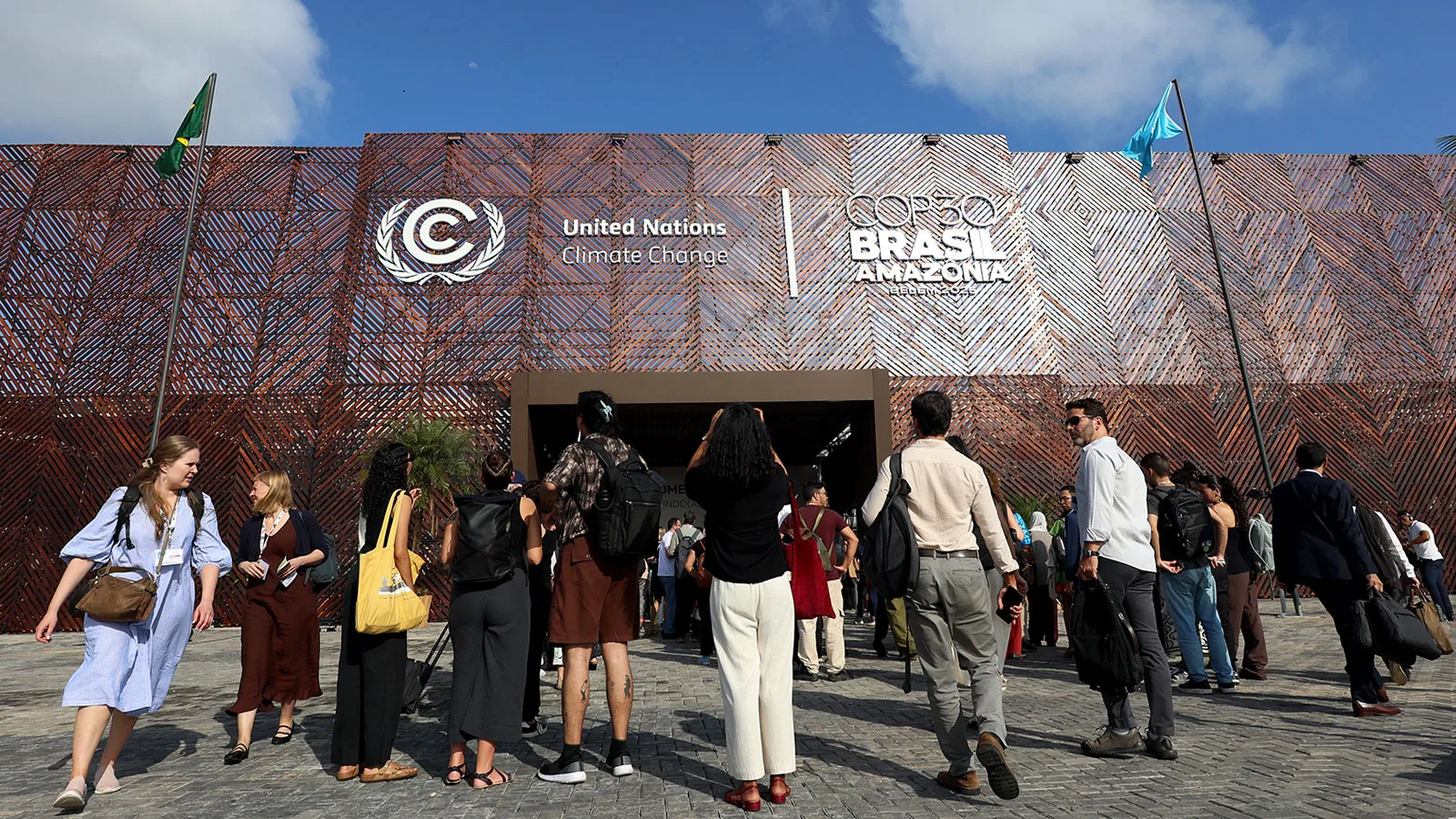
COP30 unfolded in a year marked by geopolitical tension and concerns over a roll back of climate leadership. Yet, although consensus negotiations were constrained, the message from Belém was unequivocal: “The global transition towards low greenhouse gas emissions and climate-resilient development is irreversible and the trend of the future.”
This is not just rhetoric – it reflects a recognition of what is occurring in the real economy.
10x increase in solar energy capacity globally in a decade; more than 1,000 clean industrial plants in development worldwide; private finance for nature up tenfold in the last four years; investment in regenerative agriculture tripled in two years and almost half a billionpeople supported to live with enhanced resilience over five years.
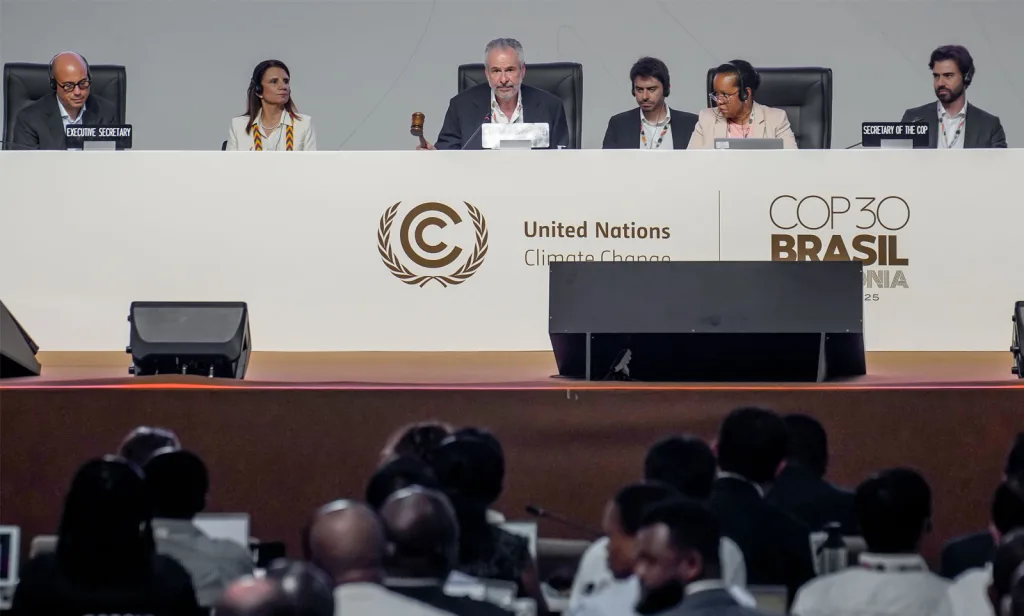
And while at one point it seemed like a consensus on the final decision was impossible, parties came together to gavel through the Mutirão Decision, a victory for multilateralism and a demonstration of commitment to the Paris Agreement as the only way for all countries to navigate towards a resilient, low-carbon and just future together.
COP30 was also a moment of restructuring and refocusing. The Paris Agreement was designed around bottom-up delivery based on national priorities, not top-down diktat. Ten years on, in the country where the UNFCCC was born, the full rulebook has been negotiated, and implementation has become the currency of climate action. Progress depends on identifying where interests align and creating momentum through practical collaboration.
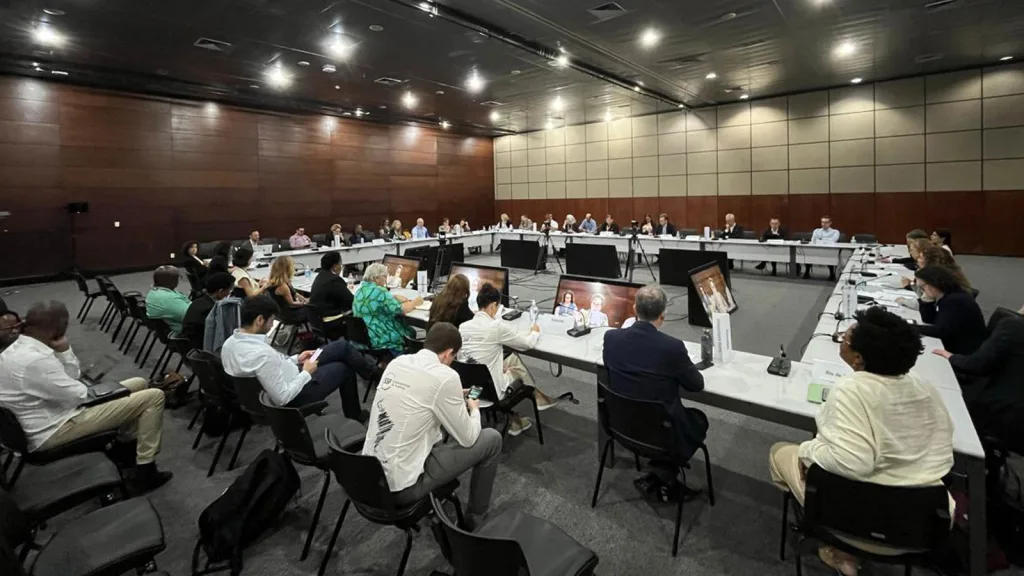
This became apparent not just through the elevation and restructuring of the Action Agenda – which mobilizes 480+ initiatives involving 190 countries, tens of thousands of businesses, investors, and cities – as the engine of delivery to unblock barriers and scale solutions. This was also visible in the COP30 outcomes – where no consensus was available, countries agreed to move forward on voluntary initiatives on transitioning away from fossil fuels, deforestation and a Global Implementation Accelerator to close the gap on NDCs. Some people dismiss these as nonbinding but, ultimately, climate progress comes from such “coalitions of doers”, shifting the overton window of economics and political opportunity. This is the “global mutirão” – collective efforts – in action.
For business, these developments matter because business has been at the heart of the Action Agenda and this represents a shift towards greater political focus on the enabling conditions for investment. This means both opportunity and responsibility:
- Identifying where clearer investment signals and frameworks are needed.
- Contributing to platforms to shape standards and influence policy.
- Working collaboratively to de-risk investments and technologies.
Businesses need to move from calling for ambition, to identifying the practical actions and implementation barriers that turn climate goals into investable opportunities. And businesses did come out in force. At the pre-COP São Paulo business week, over 1500 business leaders and investors emphasized the need to work across value chains to achieve competitive and resilient outcomes and attract investment and during COP30 businesses from all sectors and continent were engaged.
Elevation of the Action Agenda
Through the COP30 Action Agenda, the Global Stocktake became a compass for multisectoral climate action, by cities, regions, businesses, investors, civil society, and nations. Around 120 Plans to Accelerate Solutions were announced, encompassing initiatives focused on each axis of the agenda across energy systems, forests, agriculture & food, infrastructure, development and finance.
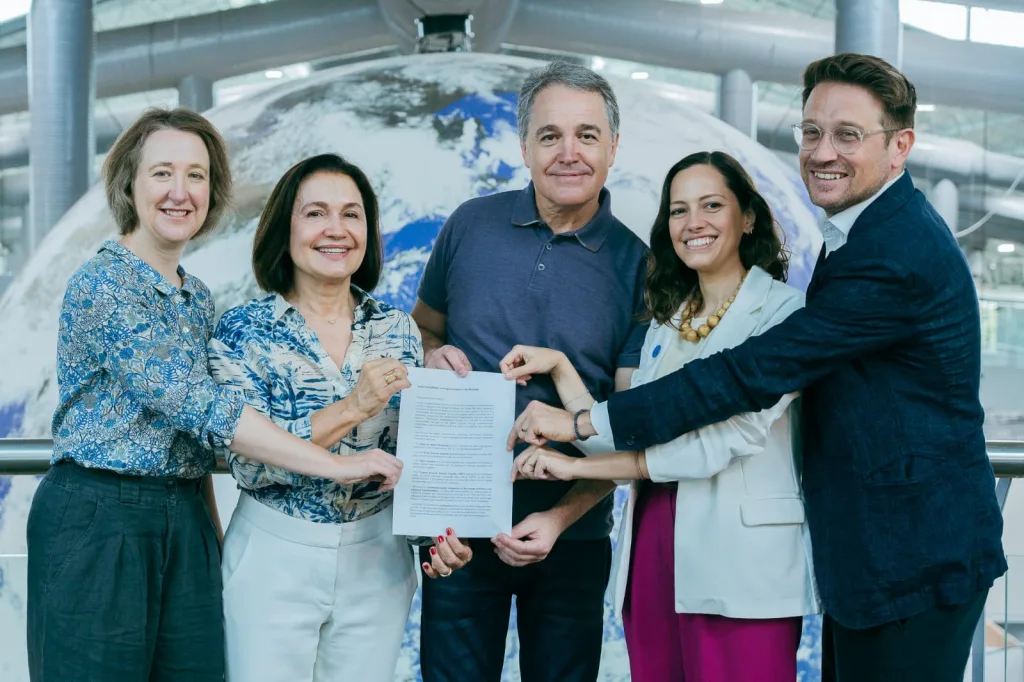
WBCSD worked closely with the Presidency and High-Level Champions to ensure each axis directly addressed business needs and enabled real-economy implementation. Contributing to over working groups and 19 Plans to Accelerate Solutions, WBCSD’s member-led initiatives were front and centre. Highlights included:
- The first Asset Owners’ Summit co-organized with the Government of Brazil, Generation Investment Management and partners brought the world’s largest capital allocators directly into the Action Agenda, to discuss the robust financial frameworks needed to effectively manage the trillions investors are aiming to allocate. This provides companies with clearer expectations from long-term capital and accelerating bankable project pipelines.
- RAIZ – a finance accelerator to restore millions of hectares of productive land was launched – backed by the Action Agenda on Regenerative Landscapes, which surged to USD 9 billion in private sector commitments by 2030, covering 210 million hectares and 12 million famers across 90 countries.
- Collaboration between WBCSD’s Zero Emissions Vehicles (ZEV) Emerging Markets Initiative and governments to deploy 15,000 zero-emission trucks by 2030 in India, backed with charging infrastructure and renewable energy capacity, and 17,000 ZEVs in Mexico, and launch the e-Dutra electric truck corridor to electrify freight transport between Rio de Janeiro and São Paulo.
- The Coalition to Grow Carbon Markets expanded to 11 countries at COP30 and launched a set of Shared Principles to confirm the role of high-integrity carbon credits in corporate decarbonisation strategies, and provide a framework for stronger government recognition, incentives and policies, with WBCSD providing the Business Advisory Group.
The five-year plan launched now cements a structure to maintain momentum.
The Belém Package
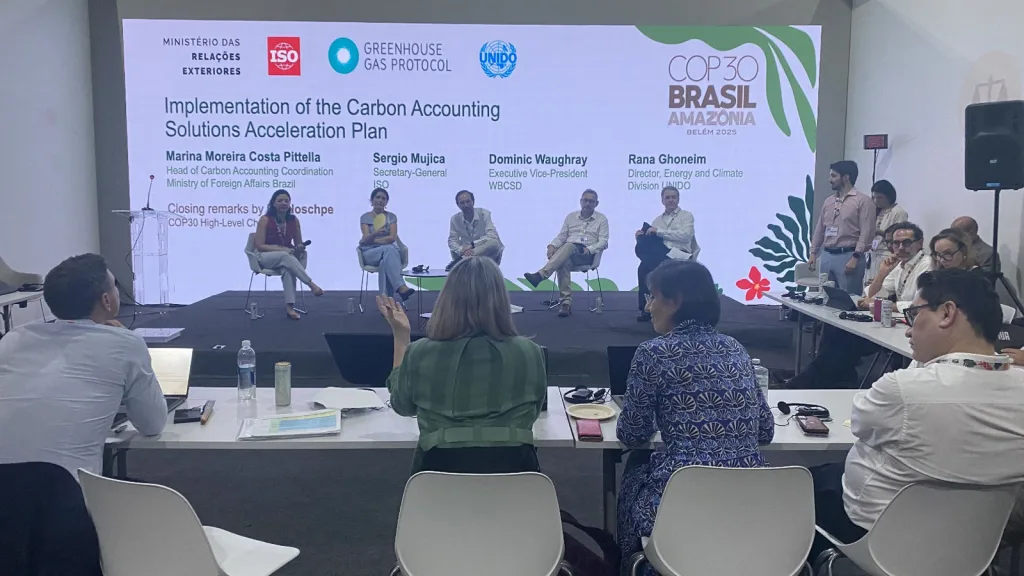
Responding to the NDCs gap, transparency, unilateral trade measures and finance were four urgent topics for Parties going into COP30 that were not on the official negotiation agenda. The consensus politics of negotiations hindered significant breakthroughs, but small steps in the right direction were delivered.
Trade was included in a COP decision text for the first time, calling on countries to ensure unilateral trade measures do not create unjustifiable discrimination, a direct response to concerns from developing countries on the EU’s carbon border adjustment mechanism.
Parties committed to tripling adaptation finance by 2035 (pushed out from 2030), although no specified numbers were attached. Indicators for the Global Goal on Adaptation (GGA) were also adopted, though concerns were raised that the shortened list lacked the technical finish of the first version, with some indicators unmeasurable and thematically incomplete. WBCSD recently released a series of climate catalyst articles to support businesses to integrate climate adaptation and mitigation into corporate planning.
The Just Transition Work Programme (JTWP) was viewed as a significant development, enhancing international cooperation, technical assistance, capacity building, and knowledge sharing on rights on inclusion. Businesses can refer to the Business Leaders’ Guide to a Just Transition, which WBCSD recently launched.
The NDCs gap proved the most difficult to bridge. In the end, a number of voluntary processes were agreed. The Global Implementation Accelerator and the Belém Mission to 1.5, will support countries to accelerate the implementation of NDCs and national adaptation plans. The Presidency will also lead on two voluntary roadmaps to accelerate a transition away from fossil fuels and deforestation. This comes alongside Colombia’s announcement to host a Conference on the Just Transition Away from Fossil Fuels.
The Road Ahead
As I said in my message to the Global Climate Action Agenda Plenary, on behalf of 130+ initiatives: We have the solutions to collectively respond to the Global Stocktake and deliver the Paris Agreement. These…should give everyone confidence to accelerate implementation. We need to drive continuity and ensure the Action Agenda is an ever more inclusive and powerful engine for delivery.
Looking ahead to COP31 in Türkiye with negotiations to be led by Australia, we need to embed a sustained focus on tackling the barriers to implementation.
The Global Implementation Accelerator should draw on the insights from businesses, including the Business Breakthrough Barometer, to identify where targeted political, business and financial institutions attention can most rapidly make progress to create the enabling conditions to unlock investment at speed and scale, and deliver the solutions and future that people are seeking.
This provides a new opportunity for active engagement and contributions by businesses. Together with our members, WBCSD will contribute focusing on competitiveness, resilience, and inclusive growth.
Momentum is unstoppable — but we need to align political and business leadership to advance at the pace needed.
Outline
Related
Content
From Commitments to Implementation: WBCSD Rallies Business Action Ahead of COP30 in São Paulo
14 November, 2025

WBCSD and GRP Climate Resilience Awards – showcasing real and cross-cutting solutions alongside COP30 Belem
12 November, 2025

WBCSD and One Planet Network announce launch of the Global Circularity Protocol for business (GCP) at COP30
11 November, 2025