This impact story is part of a series featuring India Landscape Accelerator (ILA) member companies and their efforts to scale Climate-Smart agriculture (CSA) in Indian landscapes. The series highlights existing company-led initiatives, lessons for implementation, and opportunities for ILA to accelerate collective action.
In India, Syngenta is advancing climate-smart rice production through an integrated approach that combines agronomic innovation, farmer education and value-chain partnerships. This approach is being put into practice through locally adapted solutions addressing interconnected challenges around nutrient use, water management and crop residues. Through its participation in the India Landscape Accelerator (ILA), Syngenta is bringing these implementation insights into a broader collective effort to address shared barriers to adoption and explore how successful approaches can be scaled across agricultural landscapes.
Combining innovation, stewardship and farmer support
Syngenta’s Sustainability Priorities center on four interconnected ambitions: increasing yields while reducing environmental impact, regenerating soil and nature, improving rural prosperity, and lowering the environmental footprint of its operations. In India, Syngenta’s team advances these ambitions by bringing knowledge and technologies to smallholder farmers through advisory services, climate-smart agriculture (CSA) programs and agri-entrepreneur networks, helping them improve yields, reduce environmental impacts and build resilience to a changing climate.
Achieving these objectives at scale, however, requires solutions that respond to local realities. Small and fragmented farm holdings, diverse growing conditions, climate variability and evolving pest pressures mean that standardized solutions rarely work. As a result, Syngenta increasingly emphasizes localized recommendations and integrated approaches that can be adapted to farmers’ specific circumstances. As Sangeeta Dawar, Head – Sustainability & Corporate Affairs, notes:
“Transforming agriculture requires locally relevant solutions, trusted partnerships and collective action across the value chain that help farmers strengthen productivity and resilience. Platforms such as ILA are important because they enable us to learn collectively and scale sustainable practices that work.”
Just as importantly, the company’s experience has shown that technical performance alone does not drive adoption: farmers need solutions that offer a clear economic case, are practical to implement, and are backed by trusted advice and demonstrated results.
What climate-smart rice looks like on the ground
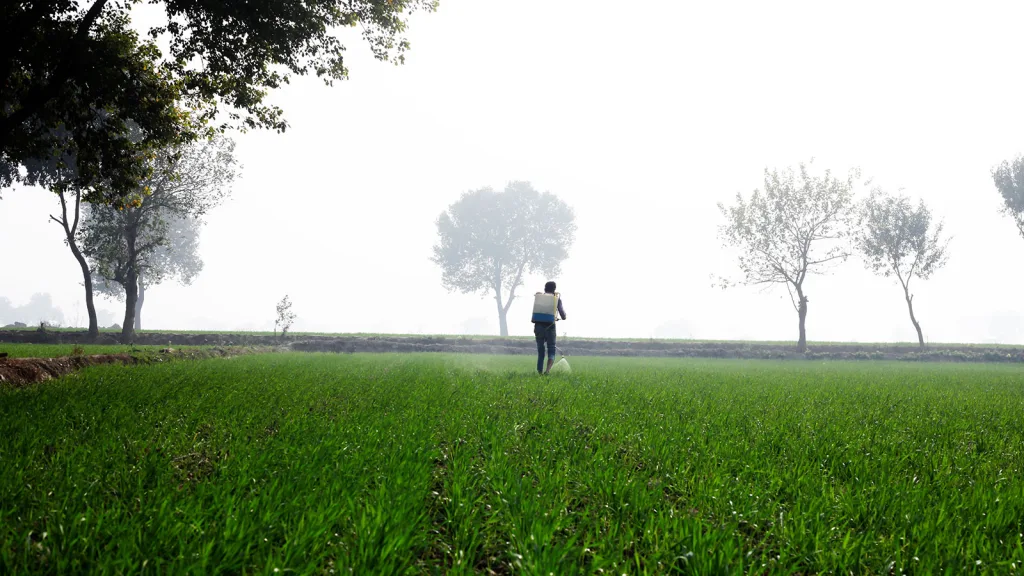
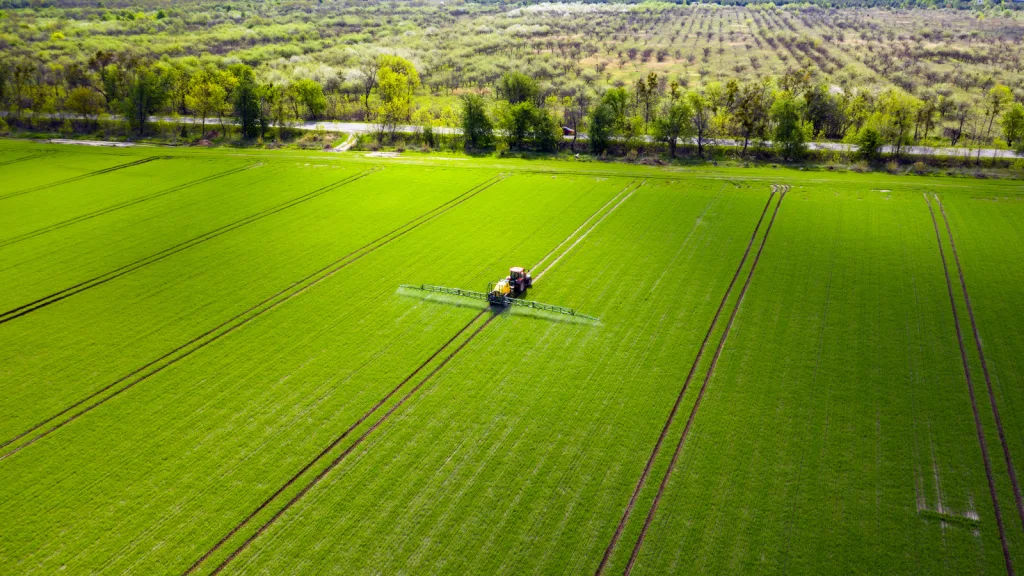
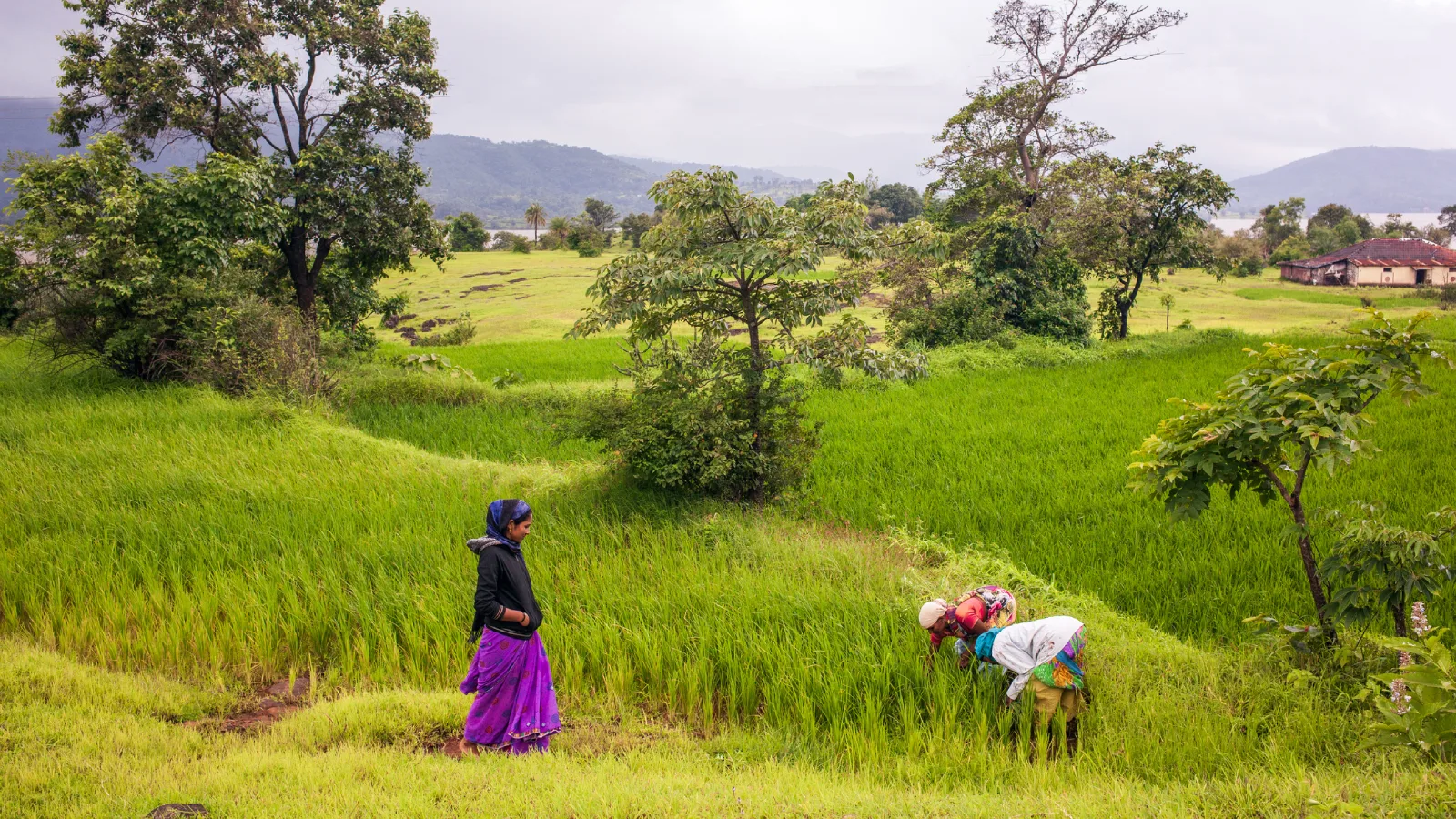
In the northern rice-growing regions of Punjab and Haryana, Syngenta is working with value chain partners to help farmers adopt climate-smart production practices — such as Alternate Wetting and Drying (AWD) and improved crop residue management — that address some of the sector’s most pressing sustainability challenges.
- Nutrient management: Inefficient nutrient management in rice cultivation contributes to significant greenhouse gas emissions. To address this, Syngenta’s CSA program begins with soil health analysis, helping farmers better understand the nutrient needs of their fields and make more informed fertilizer decisions. Alongside technical recommendations, farmers receive training on soil health and nutrient stewardship to support more sustainable production practices.
- Crop residue management: The initiative also tackles crop residue burning, a longstanding challenge across northern India’s rice-growing landscapes. Every year, an estimated 23 million tonnes of paddy residue are burned in Punjab, Haryana and Uttar Pradesh, contributing to air pollution and the loss of valuable organic matter. The program promotes alternatives such as the Happy Seeder, Super Seeder and decomposer technologies, helping farmers manage residues more sustainably while keeping them in the field.
- Water management: Through demonstrations of AWD irrigation techniques, farmers are encouraged to adopt more water-efficient cultivation practices. According to Syngenta, AWD can reduce water use by up to 30%, with program participants having been able to reduce the number of irrigation cycles required during cultivation.
- Syngenta Crop Solutions and stewardship: Syngenta Crop Solutions support judicious use of inputs that helps reduce carbon footprints and promote compliant productions in a sustainable way. In stewardship, safe use of crop protection products reduces the risk of exposure and safe disposal of the pesticide containers supports environmental safety.
By 2025, the initiative had reached 14,100 acres across Punjab and Haryana. Between 2021 and 2025, total emissions reduced from 4.79 tCO2e per ton in the baseline survey to 0.55 tCO2e per ton, while emissions per acre declined from approximately 4.59 to 3.9 kg CO₂ equivalent. These results highlight the potential of integrating soil, water and crop management practices within a single CSA approach.
Beyond these results, the program strongly highlights what it takes to turn technical solutions into sustained farmer adoption. As Christopher Amhoff, Sustainable Portfolio Projects Manager AMEA, rightfully notes:
“Farmers adopt when they see clear Return on Investment, simplicity and trust, especially when cash flow is tight. Our approach is to bundle sustainable agronomic practices and solutions, product stewardship and regenerative agriculture proof points, scaling the impact for environmental benefits and farmer livelihoods.”
This insight continues to shape the program’s design, which combines field demonstrations, technical support and value-chain collaboration to make CSA both practical and relevant for farmers. Importantly, the company recognizes that scaling these approaches will require continued investment in farmer awareness, access to finance and risk-sharing mechanisms that support long-term adoption.
Building partnerships for scale
Syngenta’s engagement across the rice value chain in India centers on working closely with farmers, buyers and other stakeholders around shared sustainability objectives. Its experience highlights three interconnected priorities for scaling CSA, namely strengthening the case for farmer adoption, improving access to finance and risk-sharing mechanisms, and coordinating collective action across the value chain.
This is where ILA can add value. As a neutral platform, it can bring companies and other stakeholders together around shared challenges and help successful models move beyond individual initiatives. The India Landscape Accelerator Launchpad provides a practical starting point, drawing on lessons from CSA programs across India to guide action on farmer engagement and adoption, shared and cost-effective measurement approaches, blended capital and collaboration at scale.
Outline